Open: Sun 2:00 PM - 4:00 PM
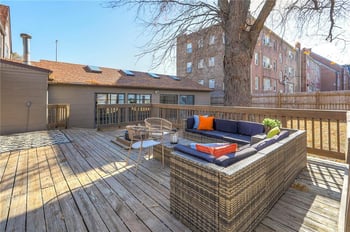

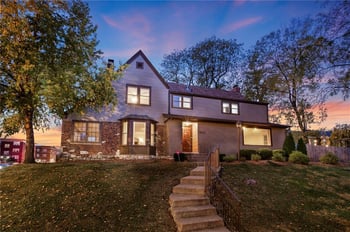
$750,000
Active
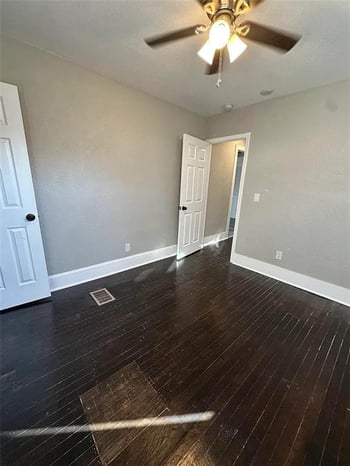
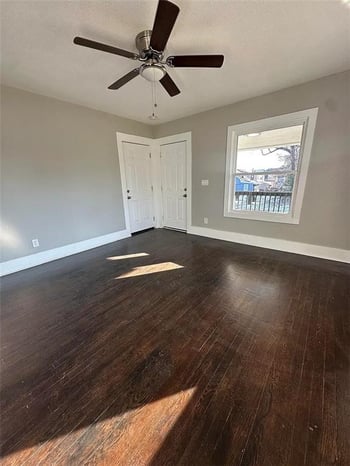
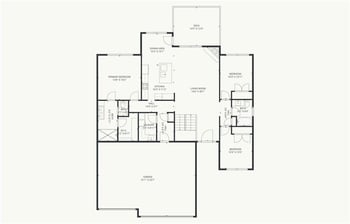
4
Beds
4
Baths
5294
Sqft
0.38
Acres
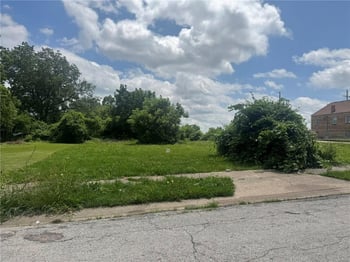
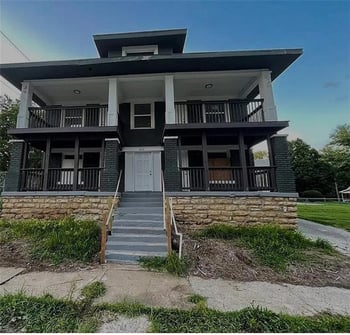
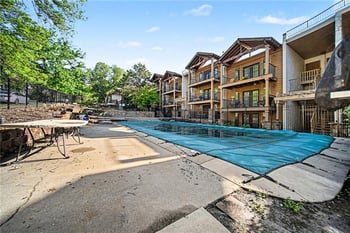
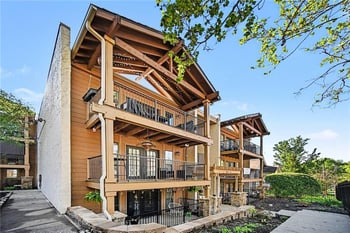
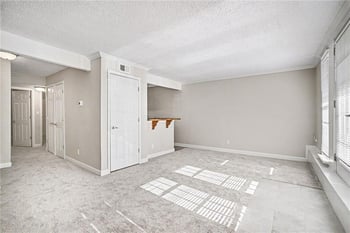
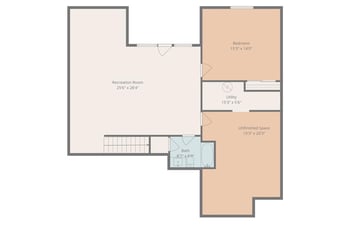
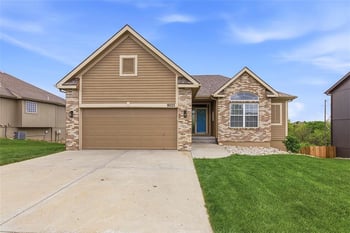
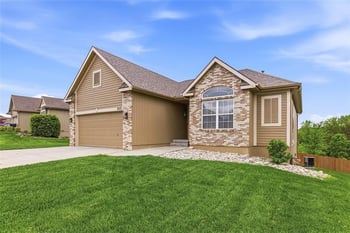
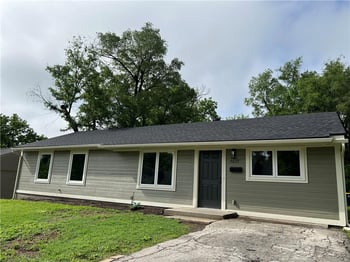
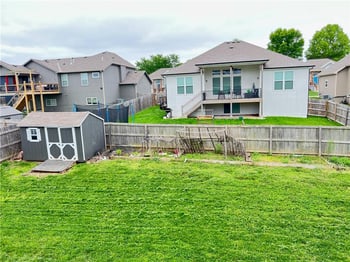
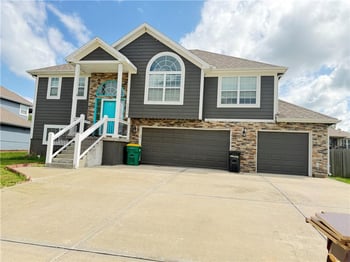
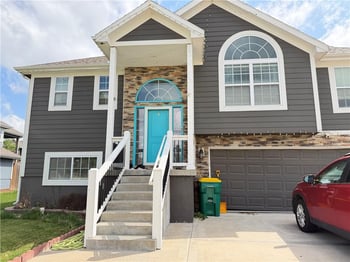
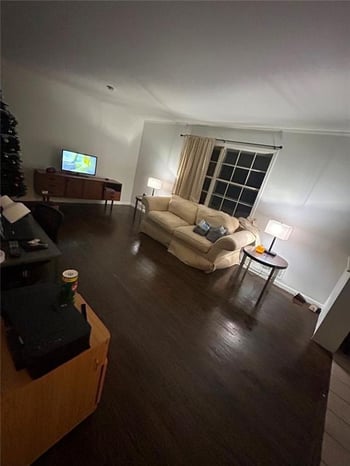
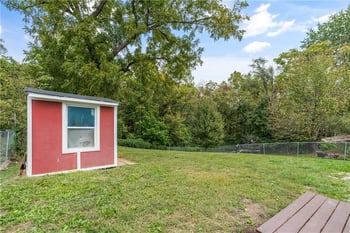
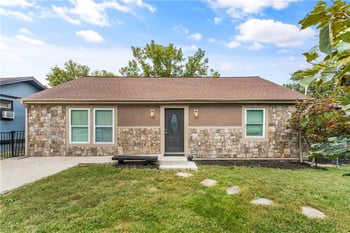
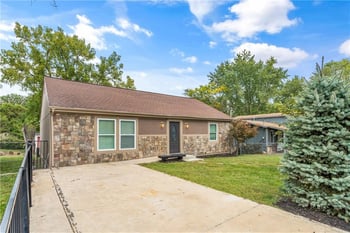
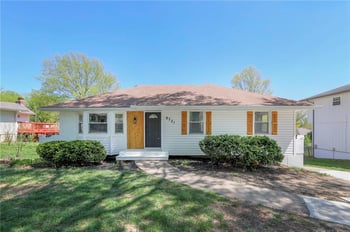
801 Valentine Rd, Kansas City, MO 64111
MLS#: HMS2626159


.png)
Key Takeaways:
KCMO property taxes can change your real monthly payment fast.
Buyers should budget beyond the list price and include taxes before making an offer.
Property taxes in KCMO are based on assessed value and local tax levy.
That means two similar homes can have very different tax bills depending on location.
The smartest buyers compare total monthly cost, not just sale price.
A home only makes sense when the payment, taxes, insurance, and lifestyle all fit together.
You can get pre-approved, find a home you love, and still miss the number that changes everything.
Property taxes.
That is where a lot of buyers in KCMO get surprised. They focus on price, rate, and down payment, but the real monthly cost of owning a home is bigger than that. Property taxes can shift your payment, tighten your budget, and change which homes actually make sense.
Here is the good news. Once you understand how property taxes work in Kansas City, Missouri, the process becomes much clearer.
In Missouri, residential real property is assessed at 19 percent of market value. Then the local tax levy is applied to that assessed value to determine the tax bill. Kansas City also explains that property taxes for city residents are billed through the counties, not through a separate city property tax bill.
That means one of the smartest things a buyer can do is this:
Budget for the full cost of ownership before making an offer, not after falling in love with the house.
At Urban Cool Homes, that is exactly how I help buyers move. Clear numbers. Straight answers. Less guesswork. More confidence. Your brand guidance also emphasizes a confident, friendly, client-first tone, plain language, short paragraphs, and direct calls to connect, which is the structure I used here.
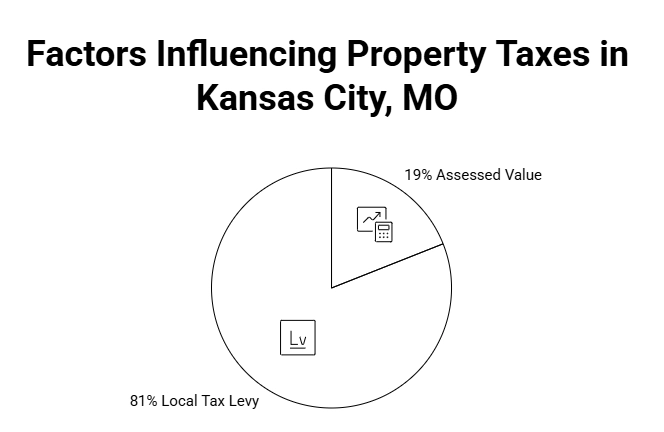
Property taxes in KCMO are based on assessed value and the local tax levy.
For residential property in Missouri, the assessed value is 19 percent of the market value. After that, the local levy for the specific tax area is applied. Kansas City’s tax page states this formula directly.
A simple estimate looks like this:
Estimated annual property tax = Market value × 19% × local levy ÷ 100
That formula is simple, but it matters because it helps buyers stop guessing.
Property taxes vary across KCMO because Kansas City spans multiple counties and many different tax areas. The final bill can vary based on the county, school district, and other local taxing jurisdictions associated with the property. Kansas City confirms that county assessors handle values, and that county tax bills include real estate taxes for city residents. Jackson County also notes that local taxing entities set their rates each year within legal limits.
So yes, two homes with similar prices can have very different tax bills.
That is the part many buyers do not hear early enough.
A home’s list price does not tell you its real monthly cost.

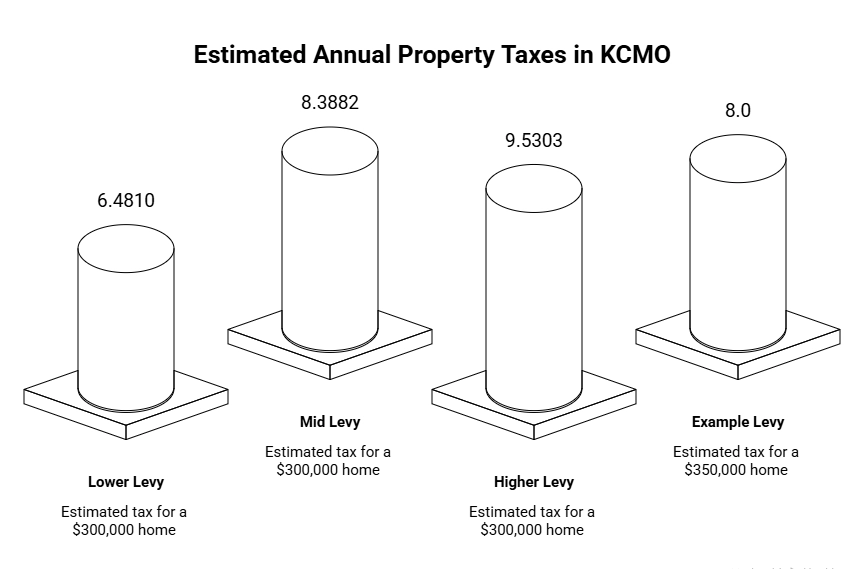
Buyers should estimate property taxes using the home’s likely market value, the Missouri residential assessment rate, and the levy for the specific tax area. Then they should add a cushion.
That last part matters.
Even if today’s estimate looks manageable, taxes may not remain flat. Jackson County states that tax bills can rise because of increases in assessed value, tax rates, or improvements to the property. The county also says real property is reassessed every odd-numbered year.
Here is a practical example using a $300,000 home:
Assessed value at 19 percent: $57,000
If the levy is 6.4810, the annual estimate is about $3,694
If the levy is 8.3882, the annual estimate is about $4,781
If the levy is 9.5303, the annual estimate is about $5,432
That is a spread of roughly $145 per month between the lower and higher examples.
For many buyers, that difference is not small. It is the difference between feeling comfortable and feeling stretched.
First-time buyers should know that the seller’s current tax bill is only a starting point. It is not a guarantee of what the buyer will pay after closing.
That is because taxes can change if:
The home is reassessed
The local levy changes
The property value has increased
improvements are made to the home
If you are buying your first home, this is the belief to leave behind:
“I got approved for the payment, so I’m fine.”
A better mindset is this:
“I want a home that still feels good after taxes, insurance, and real life show up.”
That is how smart buyers protect their peace and their budget.
You can estimate property taxes in KCMO with a simple five-step process.
Start with the likely market value or purchase price.
Multiply that number by 19 percent to get the assessed value.
Apply the local levy for that tax area.
Divide by 100.
Add a cushion for future changes.
Here is an example of a $350,000 home with an 8.0 levy:
Market value: $350,000
Assessed value: $66,500
Estimated annual property tax: $5,320
That is the kind of math that helps buyers compare homes with more clarity.
Different buyers experience taxes differently, but the impact is real across the board. Steven Myers’ ICP focuses on first-time buyers, upsizers, downsizers, and investors in the Wichita and Kansas City Metro areas, and the content should speak directly to their practical concerns with clarity and confidence.
Here is how that plays out in real life:
First-time buyers
A higher tax bill can quickly reduce monthly breathing room.
Upsizers
A bigger home often means a bigger mortgage, so taxes hit harder if they are not planned for up front.
Downsizers
A lower-maintenance property does not always mean lower taxes. Location and levy still matter.
Investors
Taxes directly affect cash flow, return, and long-term hold strategy.
That is why buyers should compare homes by total monthly cost, not just sale price.
Yes. Property taxes can go up after you buy.
Jackson County says taxes may rise because of reassessment, rate changes, or property improvements, and real property is reassessed every odd-numbered year.
That means buyers should be careful in situations like these:
buying in an area where values have risen quickly
buying a home with an outdated assessment
planning renovations after closing
Budget for today, but leave room for tomorrow.
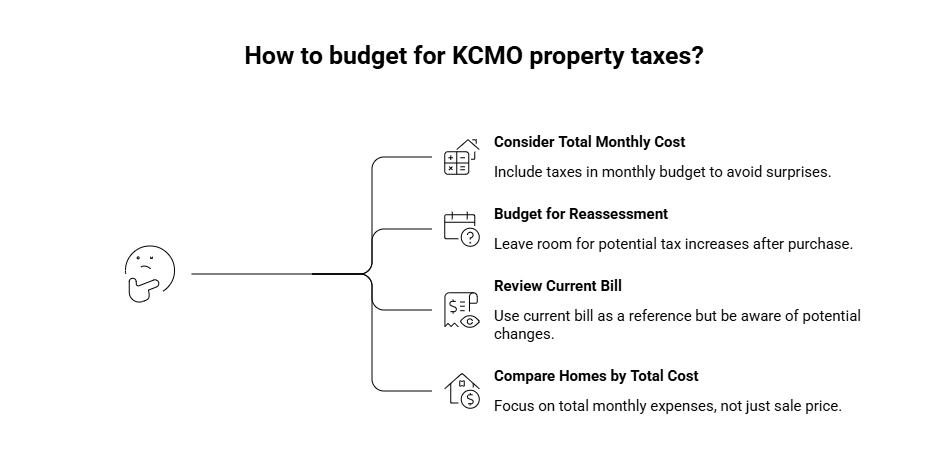
The smartest way to budget is to work from the full picture, not just the listing price.
Here is the approach I recommend:
Check the county and tax area first
estimate taxes before writing an offer
Review the current bill, but do not rely on it blindly
leave room for reassessment or levy changes
Compare homes by total monthly cost, not just mortgage principal and interest
This approach fits the content strategy in your brand docs, which call for clear answers, short paragraphs, real value, and a direct CTA that invites readers to connect rather than pushing hype.
Because numbers on a listing sheet never tell the whole story.
A local agent can help you spot tax-area differences, compare total monthly costs across homes, and avoid stretching into a payment that looks fine on paper but feels tight in real life. Your brand positioning also emphasizes Steven’s market knowledge, trust-building, and clear guidance for buyers who want confidence in the process.
That is how I want buyers to shop in KCMO.
Not just excited. Prepared.
Not just approved. Confident.
Property taxes in KCMO are not random; they vary more than many buyers expect.
They are based on assessed value, local levy, and the exact tax area where the home sits. Missouri uses a 19 percent residential assessment rate, and county tax bills handle the real estate taxes for Kansas City residents. Taxes can also increase after purchase due to reassessment, changes in levies, or improvements.
Before you decide what to offer, make sure you know what you will actually be carrying each month.
That is the number that matters.
Neighborhoods and suburbs on the Missouri side, such as Grandview, parts of North KC (including Gladstone and Liberty-adjacent areas), and some neighborhoods north of Kansas City, tend to have lower property tax rates than Johnson County suburbs. Buyers on a budget often look at these places to live because lower property tax assessments, combined with median home prices, can improve affordability.
Overland Park, Olathe, Prairie Village, and other Johnson County suburbs typically have higher property tax rates than many Missouri-side neighborhoods because of differences in school district levies, city services, and overall home prices. While Johnson County offers excellent Shawnee Mission and Blue Valley school districts and high demand, that quality often means higher median home prices and property tax bills for homeowners.
Yes—some affordable Kansas City suburbs balance lower property tax rates with decent schools. For example, parts of Lee’s Summit school district and neighborhoods near Park Hill or Liberty public schools may offer a compromise between lower taxes than central Johnson County and quality education. Research specific school district levies, such as those in Park Hill or Shawnee Mission, when comparing.
Absolutely. When calculating the cost of living in the Kansas City area, consider both property tax assessment and local sales tax rates. Some Missouri communities have lower property taxes but higher local sales tax rates, which affects homeowners’ monthly budgets, especially for buyers who spend more on purchases. Compare median home prices, sales tax rates, and property tax rates to determine total affordability.
Property tax bills are driven by assessed value, so neighborhoods with higher median sale prices or median home values—like parts of Prairie Village, Brookside, and Waldo, or trendy downtown Kansas City areas—usually result in higher property taxes. Conversely, budget-friendly neighborhoods and some affordable Kansas suburbs with lower median home prices will often yield lower annual property tax costs.
Finding lower property taxes near the downtown area can be challenging because the city center and vibrant city neighborhoods often carry higher assessments. However, nearby neighborhoods along the Missouri River or in northeast KC can offer more affordable housing options and lower taxes while staying close to live music, dining, and the downtown KC amenities.
Buyers on a budget should check the property tax rate, recent property tax assessment history, school district levies (Park Hill, Shawnee Mission, Lee’s Summit, Liberty public schools), median sale price, and local sales tax rates. Also consider long-term affordability factors such as city services, potential for appreciation, and whether the area is an affordable suburb or a growing KC neighborhood.
Homeowners should review the assessment notices, compare assessed value to median home prices in neighborhoods such as Blue Springs, Gladstone, or Grandview, and appeal assessments if values seem overstated. Consulting local assessor resources for property tax assessment timelines and understanding exemptions or credits available in your city, on the Kansas or Missouri side, can also help manage costs.
Neighborhoods like Shawnee, parts of Lee’s Summit, Gladstone, Parkville, and some areas north of Kansas City offer a balance of affordability, reasonable property tax rates, and access to amenities. These places to live offer a variety of housing options—from townhomes to single-family houses—while keeping the cost of living and property tax burdens comparatively lower than in some prime KC metro neighborhoods.
Kansas City is one of the most underrated moves in the Midwest. You get big-league sports energy, a strong food scene, real culture, and a housing mix that ranges from downtown loft living to spacious suburban options. The key is understanding one thing upfront. KC is a two-state metro (Missouri and Kansas), and your day-to-day experience can change a lot based on commute routes, county lines, an
Key Takeaways:Let’s be real. When most people search “best neighborhoods in Kansas City, Missouri,” what they really mean is this:“Where can I live that feels right and still makes sense financially?”Because Kansas City is not one vibe. It is a collection of mini-cities with totally different rhythms, home styles, parking situations, and weekend energy. If you pick based on hype alone, you can en
Key Takeaways:Commute decides everything. Pick the side that shortens your weekday drive first, then choose the neighborhood.Taxes can change your monthly payment. Compare the full cost, including mortgage, taxes, and insurance, before you fall in love with the house.Lifestyle is proximity, not hype. Choose the side that keeps your real weekends easy: food, events, shopping, and the places you go




.png)
.png)
-(1).png)