New - 2 Hours Ago


-(1).png)
Key Takeaways:
Commute decides everything. Pick the side that shortens your weekday drive first, then choose the neighborhood.
Taxes can change your monthly payment. Compare the full cost, including mortgage, taxes, and insurance, before you fall in love with the house.
Lifestyle is proximity, not hype. Choose the side that keeps your real weekends easy: food, events, shopping, and the places you go on repeat.
You can pick a great house and still feel irritated every weekday.
Because the truth is simple: your home does not just sit on a street. It sits inside your routine. If the routine is stressful, the home starts feeling smaller.
That is why this decision is not really “KCK vs KCMO.”
It is time vs traffic, convenience vs compromise, and monthly costs vs surprises.
Let’s make this practical.
KCK vs KCMO is mainly a decision about daily movement and monthly math. Specifically:
Where do you drive most days
How often do you cross state lines
Which taxes may apply to your situation
What kind of weekend life do you want close by
If you choose the side that fits your routine, you usually feel confident fast. If you choose based on vibes alone, you often second-guess it later.


There is no universal winner. The best side depends on where you work and the direction you travel during peak times.
Here is a clean way to think about it.
Both sides can work well, but the difference comes down to access points and river crossings.
KCMO can feel closer to Downtown destinations depending on the neighborhood and route.
KCK can feel efficient if your route connects quickly to I 35, I 70, or I 635.
Best move: drive your commute at the exact time you will travel, including the return trip. Do it on a weekday, not a weekend.
Many buyers prefer routes that stay on the Kansas side more often, especially if work is south or southwest of the core.
KCK can be a strong fit when you want to stay close to key connectors and shorten the daily drive.
Key takeaway: The best side is the one that protects your time on a Tuesday morning.
Taxes can change your monthly picture more than most people expect, and it depends on your exact address and work location.
Kansas City, Missouri has an earnings tax. It may apply based on where you live and where you work.
If you are considering KCMO, or working inside KCMO city limits, it is worth factoring this in early because it can affect your ongoing costs.
Property taxes can differ widely across the metro. Two homes at the same purchase price can have different monthly totals once taxes are included.
Always compare the full monthly cost, not just the price tag. That means mortgage, taxes, and insurance together.


This is where people get stuck, because lifestyle feels personal. It should. You are picking how your days feel.
KCMO often aligns with buyers who want:
More walkable pockets depending on neighborhood
A “park once and go” feel in some areas
KCK often aligns with buyers who want:
Quick highway connections
Easy access to major entertainment and retail areas
A simpler drive for cross metro errands
Key takeaway: Lifestyle is not a label. It is how easily you can do what you actually do.
Inventory changes constantly, but here are patterns buyers often notice.
You will often see:
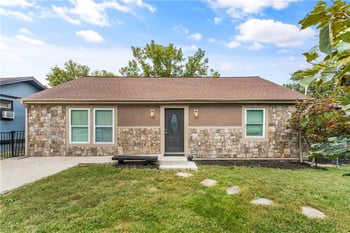
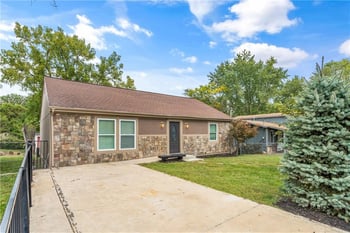
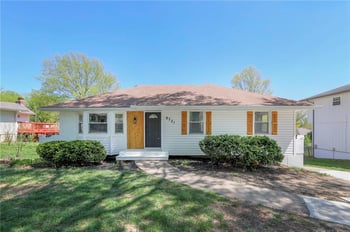
A wide range of housing styles
More older homes in many areas, often with character and unique layouts
More variation block by block
You will often see:
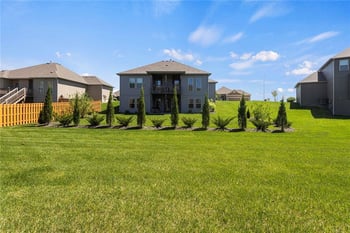
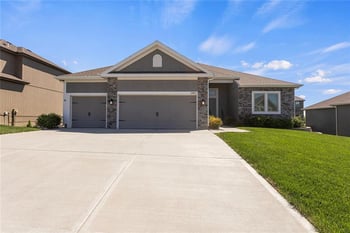
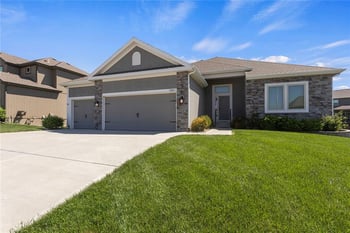
A mix of established neighborhoods and newer options in some pockets
Practical layouts that can feel straightforward for daily living
Strong access to major routes
Key takeaway: Your best fit is not “Kansas vs Missouri.” It is “turnkey vs project,” “close to work vs close to fun,” and “quiet evenings vs active weekends.”
If you want a quick decision tool, use this simple checklist.
Where do you go at least three times per week?
Do you cross state lines daily, weekly, or rarely?
What is your maximum comfortable total monthly payment?
What matters more right now: commute time or neighborhood vibe?
What do you want within 10 to 15 minutes on weekends?
If you can answer those, you are close.
Key takeaway: When your routine is clear, the right side becomes obvious.
Here is the real solution:
Pick the side that supports your routine first.
Then shop neighborhoods inside that side that match your lifestyle.
That keeps you from falling in love with a house that turns your weekdays into a headache.
Choosing between KCK vs KCMO comes down to one thing: how you want your everyday life to feel. In this guide, we broke down the biggest factors that shape that decision, including commute patterns, tax considerations, lifestyle access, and the types of homes you will typically find on each side.
When you choose the side that fits your routine first, you stop second-guessing and start feeling excited about what is next. Pick the side that protects your time and supports your lifestyle, and the right home becomes much easier to spot.
KCK (Kansas City, Kansas) and KCMO (Kansas City, Missouri) differ on the side of the state line in taxes, neighbourhood character, and commute patterns. KCK, including Wyandotte County and suburbs like Bonner Springs and parts of Olathe nearby, tends to have lower median home prices and different income tax considerations for residents who live in Kansas (no state income tax but different sales tax mix). KCMO offers more urban neighbourhoods, downtown KCMO, River Market, nightlife, and walkable urban districts serviced by the streetcar. Your choice depends on whether you prioritize suburban schools, lower cost of living, or urban amenities and corporate campuses in Missouri.
Cost of living varies by neighbourhood: many Kansas suburbs and KCK areas often show lower median home prices and cheaper housing costs than some desirable Missouri suburbs and urban pockets of KCMO. However, sales tax, property tax, and income tax (state income tax differences for Kansas vs Missouri) can affect your monthly expenses. Jackson County (Missouri side) may have higher prices in places like Lee’s Summit and downtown KCMO, while Wyandotte County and Kansas suburbs such as Shawnee Mission, Lenexa, and Olathe can offer more affordable options depending on the specific suburb.
Public schools are a major factor for families relocating to Kansas or Missouri. Shawnee Mission school district, Lee’s Summit, and some Olathe and Lenexa districts are often cited for strong performance on the Kansas side and attract families who want suburban schools. On the Missouri side, Lee’s Summit (in Jackson County) and Liberty also have highly regarded schools. Families often compare school ratings, extracurriculars, and commute to corporate campuses or downtown KCMO when choosing whether to live in Kansas City (KCK) or the Missouri side.
Your commute depends on where you live: Kansas suburbs like Olathe, Lenexa, and Leawood feed into highways toward downtown KCMO or corporate campuses in the metro area. Rush hour patterns typically funnel toward downtown KCMO and major corporate campuses, with congestion on bridges crossing the state line. Living in KCK or the Kansas suburbs may mean commuting across the state line; vehicle registration and routine border crossings are common. Those who work downtown or in walkable urban neighbourhoods like the River Market often prefer living in or near downtown KCMO to reduce commute time and leverage the streetcar and walkability.
Yes. KCMO features more urban neighborhoods, apartments, and historic homes near downtown KCMO, the River Market, and walkable urban districts supported by the streetcar. Kansas suburbs and KCK provide more suburban single-family homes, newer developments, and planned communities in places like Olathe, Lenexa, and Leawood. Median home prices vary by neighbourhood and city: Leawood and parts of Lee’s Summit tend to be higher-end, while parts of Wyandotte County and some Kansas suburbs are more affordable for first-time homebuyers.
Tax structure is a frequent consideration when trying to decide between Missouri and Kansas. Kansas has a state income tax structure that can impact take-home pay differently than Missouri; however, local sales tax and property tax rates can change the overall cost of living. Some households choose to live in one state for lower income tax or property tax rates while working in the other, so comparing total tax rate, vehicle registration costs, and employer withholding is important when you relocate or move to Kansas City.
KCMO’s downtown, River Market, and midtown neighborhoods typically provide more nightlife, restaurants, and walkable urban experiences. The streetcar and concentrated urban development increase walkability. Kansas suburbs and KCK often prioritize suburban amenities—parks, larger yards, and family-oriented facilities—over dense nightlife, though suburbs like Zona Rosa offer mixed-use walkable areas. If nightlife, walkability, and street-level amenities matter most, Missouri’s urban neighborhoods usually have the edge.
Consider median home prices in each neighbourhood, historical appreciation rates, and local development trends. Places like Lee’s Summit, Leawood, and parts of downtown KCMO have seen steady appreciation due to demand for suburban quality of life or urban living. KCK and some Kansas suburbs may offer lower entry prices and attractive value for buyers seeking affordability. Look at local market reports for the KC area, consult real estate agents familiar with Wyandotte County and Jackson County, and compare mortgage rates to decide where a home in Kansas City best fits your financial goals.
When relocating to Kansas City or trying to decide between Kansas and Missouri, research school districts (Shawnee Mission school district, Lee’s Summit), check commute times for work in KCMO or corporate campuses, compare the cost of living and taxes, and visit target suburbs like Olathe, Lenexa, Leawood, Liberty, and downtown KCMO to assess walkability and nightlife. Also verify vehicle registration rules, local sales tax rates, and public services in Wyandotte County versus Jackson County before making a final decision.
Key Takeaways:Narrow fast by locking 3 things first: your comfortable monthly payment, your Must-Have 3, and your Deal-Breaker 3.Stop searching “everywhere” in KCMO: pick 2-4 focus areas (plus 1 wildcard) based on your commute and daily routine, then stay consistent for 2 weeks.Tour fewer homes, decide faster: batch 3 to 6 showings after filters are set, then re-tour your top 1 to 2 and write wit
Key Takeaways:Bigger homes in Kansas City, MO, are about layout first, not just square footage. Prioritize flow, storage, and usable flex space, then use square footage as a guardrail.More space shows up most consistently in newer-build pockets, especially in the Northland. Expect larger footprints, practical garages, and basements that add real livability.Stop touring “maybe” homes. Use a space-
Key Takeaways:Renters filter for convenience first. Laundry, parking, AC, and clear monthly costs decide the click before finishing ever matter.Buy and upgrade for “leases faster,” not “looks nicer.” Fix mechanicals, resolve laundry issues, clarify parking, then invest in durable surfaces.Cash flow is protected by speed-to-lease. Price to win showings early, market the right features clearly, and
Key Takeaways:Prep smart, not expensive. Declutter, deep clean, and fix obvious small issues first. Buyers pay more for “move-in ready” feelings than for big renovations.Price to create momentum. The right price in the first week drives showings, urgency, and stronger offers. Overpricing usually leads to longer days on market and tougher negotiations.Know the KCMO timeline. Plan for 7 to 21 days




.png)
.png)
-(1).png)
-(1).png)