New - 1 Hour Ago


$300,000
Coming Soon
5
Beds
2
Baths
2172
Sqft
0.06
Acres
4007 Clark Ave, Kansas City, MO 64111
MLS#: HMS2621884


-(1).png)
Key Takeaways:
Renters filter for convenience first. Laundry, parking, AC, and clear monthly costs decide the click before finishing ever matter.
Buy and upgrade for “leases faster,” not “looks nicer.” Fix mechanicals, resolve laundry issues, clarify parking, then invest in durable surfaces.
Cash flow is protected by speed-to-lease. Price to win showings early, market the right features clearly, and reduce vacancy before chasing top rent.
Most investors do not lose money because they picked a “bad” property. They lose money because the property does not match what renters are actively searching for right now.
Here is the belief that costs people months of rent: “If it is clean and priced okay, it will rent.”
In Kansas City, renters make quick decisions. They filter listings fast. If your home does not check the right boxes, you can be priced right and still get ignored.
The goal is simple: choose an investment property Kansas City MO renters will click, tour, and apply for quickly. That is how you protect cash flow.
Quick Snapshot: What wins renters fast in KCMO
Practical convenience (laundry, parking, AC)
Clear monthly costs (utilities and fees explained upfront)
Functional layout (real bedrooms, storage, lighting)
Low-friction location (commute, errands, daily life access)
Renters typically filter for the essentials before they ever look at “nice finishes.”
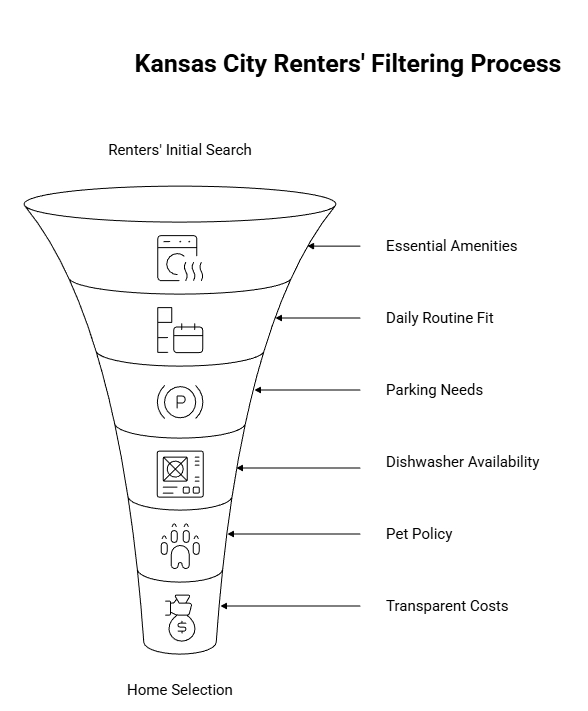
They want to know, immediately, if the home fits their daily routine.
Common top filters renters search for:
In-unit laundry or washer and dryer hookups
Air conditioning
Parking (off-street, driveway, garage, dedicated space)
Dishwasher
Pet policy clarity (if allowed, be specific)
Transparent costs (utilities and fees explained)
Key takeaway: If you want faster leasing, focus on what renters filter for first, not what looks trendy in photos.
If you want fewer vacancy days, you want more saves, more shares, and more showings.
That usually comes from features that remove daily stress.
High-impact amenities renters notice immediately:
In-unit laundry or hookups that are ready to use
Off-street parking or clearly explained parking options
Comfort upgrades like AC and good ceiling fans
Bright lighting (natural light plus updated fixtures)
Simple durability (floors and surfaces that feel clean and solid)
A renter will forgive older cabinets faster than they will forgive no laundry plan.
Renters are not just renting a home. They are renting a routine.
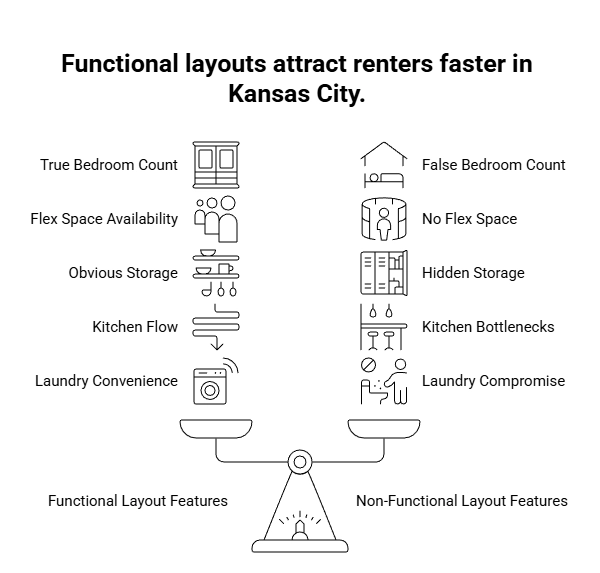
A functional layout is a hidden leasing advantage because it makes the home feel easy to live in.
Layout features that help units rent faster:
True bedroom count with doors and closets
A flex space for a home office, workout area, or hobby corner
Storage that is obvious and usable (pantry, linen closet, basement storage)
A kitchen that flows (even if finishes are simple)
Laundry that does not feel like a compromise
Key takeaway: Function rents. Flash is optional.
Not every upgrade pays you back. Some upgrades are “Instagram upgrades.” Others are “leases faster upgrades.”
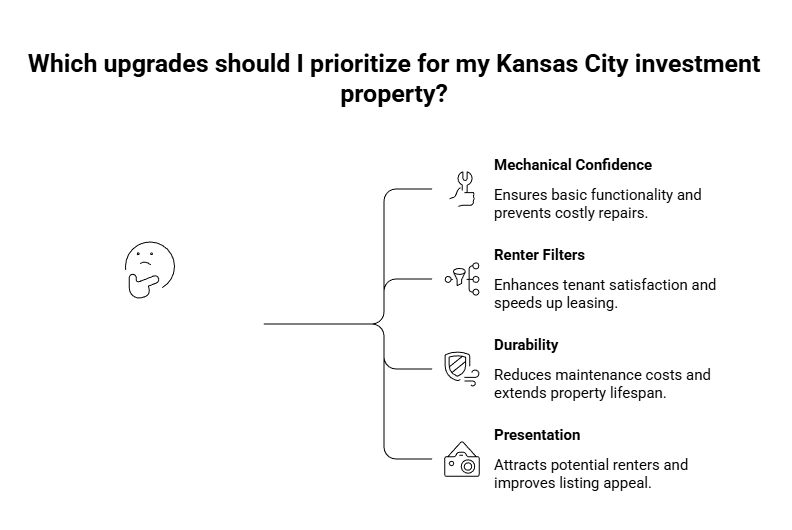
Use this simple priority ladder.
Mechanical confidence
HVAC performance
Plumbing and electrical basics
Roof and major water concerns
Renter filters
Laundry solution (in-unit or hookups)
Parking clarity
AC comfort
Dishwasher if the layout supports it
Durability
Easy-clean flooring
Washable paint
Solid hardware and fixtures
Presentation
Bright bulbs and clean fixtures
Fresh caulk, clean lines, simple curb appeal
Listing photos that show space clearly
Upgrade for leasing speed first. Then upgrade for longevity.
Pricing is not just about “highest rent.” It is about “highest rent that still leases quickly.”
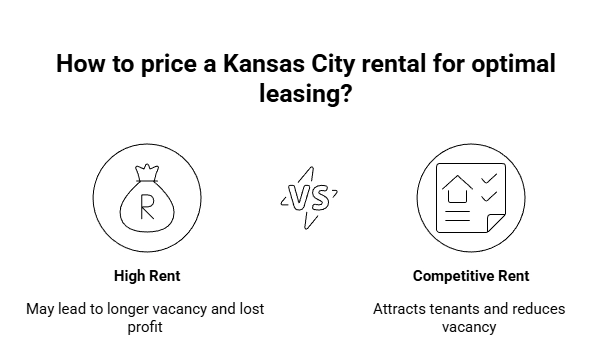
Vacancy costs more than most investors realize. One extra month empty can erase the profit from several smaller upgrades.
Simple pricing approach:
Compare your property to 3 to 5 similar active rentals (same bed and bath count, similar condition).
Track how long comparable listings stay active.
Price to win attention in the first two weeks, then adjust quickly if showings are slow.
Key takeaway: Consistent occupancy usually beats chasing the absolute top rent.
If you want a repeatable process, use this checklist on every showing.
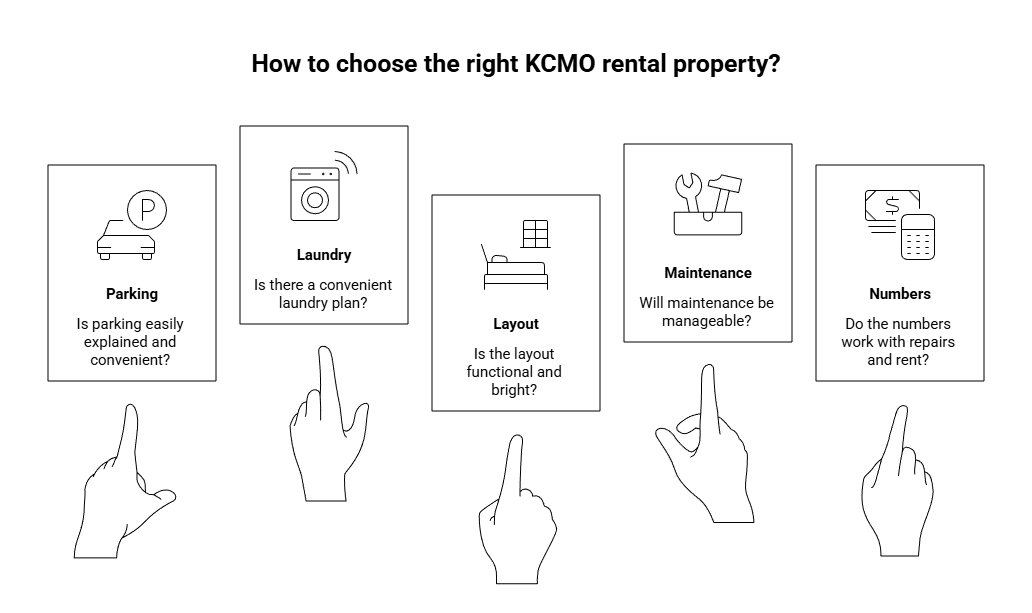
Can I explain parking in one sentence?
Is there a laundry plan that feels convenient?
Does the layout feel functional and bright?
Will maintenance be manageable for the next 12 to 24 months?
Do the numbers work with repairs, reserves, and realistic rent?
Core message: The best “deal” is the one that stays rented with minimal drama.
Investing is emotional, even when you are numbers-driven. People want clarity, speed, and a plan they can trust.
My job is to help you make the decision obvious by focusing on:
Rentability, not hype
Location practicality, not vague promises
Upgrade choices that protect your cash flow
A clean, repeatable process you can use again
In Kansas City investing, the fastest path to stable cash flow is choosing a rental that matches what renters already search for. Focus on the essentials first, like laundry, parking, AC, and clear monthly costs, then make smart, durable upgrades that reduce headaches and vacancy. When your property fits real life, it leases faster, performs better, and feels like a confident win, not a gamble. Let your next move be renter-first, numbers-clear, and built for consistency.
Kansas City’s real estate market continues to attract property investors because of steady rental income, affordable housing compared with coastal metros, and growing job centers near downtown Kansas City and the Kansas City metro area. Strong rental demand from young professionals and families, reasonable property taxes, and a variety of property types — from single-family homes to multi-family units — make investing in Kansas City appealing if you’re looking to invest for consistent returns on investment and rental yields.
High-demand areas include neighborhoods with proximity to downtown Kansas City, suburbs of Kansas City with good schools and transit, and revitalized pockets of the Kansas City metro area. Areas like Midtown, Brookside, Waldo, Northland suburbs, and parts of Overland Park often appeal to families and renters seeking convenience. For investors focused on rental homes or vacation rental opportunities, neighborhoods near entertainment districts or highway access can produce strong rental demand and better rental yields.
You’ll find a mix of tenants: young professionals working downtown, families seeking suburban schools, students near universities, and long-term residents in stable rental housing. Single-family homes tend to attract families and long-term tenants, while smaller apartments and condos often appeal to young professionals. Understanding the tenant profile in each neighbourhood helps tailor property management, setting rent competitively and reducing vacancy.
Property types—single-family home, multi-family units, or short-term vacation homes—directly influence monthly rent and operating costs. Single-family homes often provide steady rental income and lower turnover when they appeal to families; multi-family properties can increase overall cash flow through multiple rent streams but may require more intensive property management. Short-term rentals can yield high nightly rates in prime areas but come with higher management, maintenance, and variable demand.
Good property management improves tenant retention, reduces vacancy, and handles maintenance—key to maximizing returns on investment. Expect to budget for management fees, routine maintenance, property taxes, insurance, and occasional capital improvements. Investing in a local property manager familiar with Kansas City’s rental market and landlord-tenant regulations helps maintain steady rental income and protects property value.
Forecasting rental demand involves tracking job growth, population trends in the Kansas City metro, new development projects, and historical vacancy rates. For 2025, look at economic indicators, city-provided development plans, and neighborhoods experiencing revitalization. Calculate rental yields by comparing expected monthly rent and operating costs to purchase price; strong rental demand areas typically deliver higher occupancy and more predictable yields.
Kansas City’s property taxes are generally lower than many large coastal cities, which can support higher net returns for investors. However, tax rates vary by county and neighborhood, so check local assessments. Also review short-term rental regulations if you’re considering vacation rental or short-term rental strategies. Consulting a real estate agent or local tax professional can clarify how property taxes and regulation impact your investment goals.
Focus on buying in areas with strong rental demand, proximity to employment centers or good schools, and neighborhoods that appeal to your target tenant. Perform due diligence on median home prices, potential monthly rent, and property condition. Consider value-add opportunities such as renovations to increase rent, and balance suburban single-family acquisitions with higher-density investments to diversify risk and enhance returns on investment.
Short-term rentals can offer higher per-night revenue in tourist-friendly or event-driven parts of Kansas City, but they require more active management, marketing, and compliance with local rules. Long-term rental housing provides steady monthly rent and lower turnover costs, making it a reliable strategy for investors pursuing steady rental income and long-term appreciation in the Kansas City real estate investing landscape.
Key Takeaways:Narrow fast by locking 3 things first: your comfortable monthly payment, your Must-Have 3, and your Deal-Breaker 3.Stop searching “everywhere” in KCMO: pick 2-4 focus areas (plus 1 wildcard) based on your commute and daily routine, then stay consistent for 2 weeks.Tour fewer homes, decide faster: batch 3 to 6 showings after filters are set, then re-tour your top 1 to 2 and write wit
Key Takeaways:Bigger homes in Kansas City, MO, are about layout first, not just square footage. Prioritize flow, storage, and usable flex space, then use square footage as a guardrail.More space shows up most consistently in newer-build pockets, especially in the Northland. Expect larger footprints, practical garages, and basements that add real livability.Stop touring “maybe” homes. Use a space-
.png)
.png)