HomeBlog Home
Moving To Guides

15 Things To Know BEFORE Moving to Kansas City (2026 Guide)

S
Steven Myers
Jan 5, 2026 7 min read
Share to X
Share to Facebook
Share to Linkedin
Copy Link
15 Things To Know BEFORE Moving to Kansas City (2026 Guide)
Chapters
01
What can vary across the state line?
02
Pro tip: Use a simple comparison scorecard
03
Look at the full monthly picture
04
Common Housing Types You Will See
05
What You Should Decide Early
06
Make your map match real life
07
Why does this affect relocation decisions?
08
Quick Question For You
09
Tips for choosing a location if you fly frequently
10
What to expect
11
Home and lifestyle tips
12
A simple KC BBQ starter plan
13
A smart relocation test
14
Easy “first month” idea
15
Helpful advice for newcomers
16
Practical tip
17
Relocation tip
18
Use this decision filter
19
Simple area categories (objective and lifestyle-based)
20
to 30 days out
21
to 21 days out
22
to 14 days out
23
to 0 days
24
Is moving to Kansas City a good idea for families and young professionals?
25
What is the cost of living in Kansas City compared to the national average?
26
Which neighborhoods in Kansas City are considered the best neighborhoods for families or retirees?
27
How does the job market look in Kansas City and what are major employers or job opportunities?
28
What are the most popular things to do in Kansas City and how strong is the arts scene and live jazz?
29
What are the nightlife and live entertainment options—does Kansas City have good live jazz and bars?
30
How do I choose between urban neighborhoods and suburbs like Overland Park, Olathe, or North Kansas City?
31
What are the cons of moving to Kansas City that people should be aware of?

15 Things To Know BEFORE Moving to Kansas City (2026 Guide)

Kansas City is one of the most underrated moves in the Midwest. You get big-league sports energy, a strong food scene, real culture, and a housing mix that ranges from downtown loft living to spacious suburban options. The key is understanding one thing upfront. KC is a two-state metro (Missouri and Kansas), and your day-to-day experience can change a lot based on commute routes, county lines, and how you like to live.

This guide is built to make your move simpler. You will learn how the metro is laid out, what different housing styles look like, how the Streetcar expansion affects walkable living, what to expect from the seasons, and how to narrow down areas based on your routine instead of hype.

1) Kansas City is a two-state metro (Missouri and Kansas)

This matters more than most people expect because your costs, commute flow, and day-to-day setup can change depending on which side of the line you choose. Many people live in one state and work, shop, or spend weekends in the other. That is normal here.

What can vary across the state line?

  • Taxes and fees: Income taxes, property taxes, and local taxes can differ by state, county, and municipality.
  • Services: Trash pickup, recycling rules, and local services vary city to city.
  • Utilities and providers: Your internet options and utility providers can change even within a few miles.
  • Commute patterns: It is not just distance. Bridges, highway connections, and “where you cross” can affect daily drive times.

Pro tip: Use a simple comparison scorecard

When you are deciding between Missouri and Kansas options, make a list like this:

  • Commute time (test it during your actual drive times)
  • Property taxes (by county)
  • Monthly costs beyond the mortgage (HOA, insurance, utilities)
  • Daily conveniences (grocery, gym, coffee, pharmacy)
  • Home style preference (older character vs. newer layout)
  • Weekend priorities (restaurants, events, parks, trails, sports)

MISSOURI VS KANSAS

2) KC Can Feel More Affordable Than Many Big Metros

A lot of people relocating to KC notice their monthly budget stretches further. That does not mean every home is inexpensive, but it often means you have more choices within the same monthly payment range.

Look at the full monthly picture

When readers think “affordable,” they often focus only on purchase price. Instead, encourage them to compare these:

  • Estimated mortgage payment
  • Property taxes
  • Homeowners insurance
  • HOA dues (if applicable)
  • Utilities (older homes and larger homes can vary a lot)
  • A maintenance cushion (even a small one helps)

3) Housing Styles Vary a Lot, Even Within Short Drives

KC is not a one-style market. Even within the same general region, you can find very different types of homes.

Common Housing Types You Will See

  • Downtown condos and lofts: Great for city convenience, events, and restaurants.
  • Townhomes near major corridors: A solid middle ground between condo living and a detached home.
  • Older homes with character: Often unique layouts and mature landscaping, sometimes with more maintenance needs.
  • Newer builds and subdivisions: More modern layouts, newer systems, and newer finishes.

What You Should Decide Early

  • Must-have features (home office, garage, yard space, finished basement, main-level living)
  • Their comfort level for updates (cosmetic vs. major systems)
  • How much time do they want to spend on upkeep

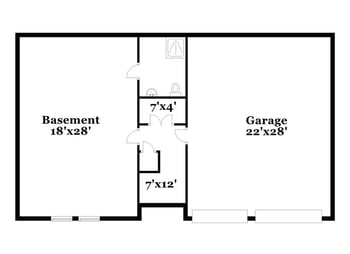
Basements are common in many areas. They can be a significant advantage for storage or extra living space, but inspections should also focus on drainage, grading, and the maintenance history.

4) KC is Easy To Navigate Once You Learn The Layout

Kansas City routines often revolve around a few geographic anchors:

  • North of the river vs. south of the river
  • Downtown and midtown corridors
  • The Kansas side suburbs, often grouped as Johnson County
  • Highway access and loop patterns

Make your map match real life

Instead of only looking at a map, test these:

  • Morning commute time
  • Late afternoon commute time
  • Weekend drive patterns
  • Frequent trips (airport, gyms, grocery runs, favorite spots)

A place can look close on a map and still feel far if the route is inconvenient.

5) The KC Streetcar Expansion Matters if You Like City Convenience

If your ideal lifestyle includes walking to coffee, dinner, events, or quick errands, transit improvements matter.

Why does this affect relocation decisions?

  • It can make downtown and midtown routines easier
  • It can reduce how often you need to drive for short trips
  • It can change how people think about parking and event nights

Quick Question For You

Would you use walkable transit weekly, or only occasionally?
If it is weekly, streetcar access might matter more in the home search.

View Homes For Sale in Kansas City, KS

6527 Properties Found
Sort By:

6) Airport Access Is Better Than People Expect 

If readers travel often, airport convenience becomes a quality-of-life issue fast.

Tips for choosing a location if you fly frequently

  • Test airport drive times at peak and off-peak hours
  • Consider how early you like to arrive for flights
  • Decide if you are a long-term parking person or a rideshare person
  • Factor in highway access more than straight-line distance

If someone travels monthly or more, treat the airport like a second commute.

7) Weather is Real. Plan for all four seasons

KC has a true seasonal change. That is part of the charm, but it is also something to plan for.

What to expect

  • Hot, humid summer stretches
  • Cold snaps in winter, sometimes with snow or ice
  • Spring weather swings
  • Comfortable fall weekends

Home and lifestyle tips

  • Have a real winter kit for your car
  • If buying, pay attention to HVAC age, insulation, windows, and drainage
  • Keep a basic plan for winter driving days

8) KC BBQ is not a trend. It is a Tradition

This is a must-do for newcomers. People have strong opinions, and it is part of the fun.

A simple KC BBQ starter plan

  • Try burnt ends early
  • Try more than one spot, because sauces and styles vary
  • Make it a “first weekend” tradition with friends or visitors

9) Coffee shops, Breweries, and Weekends are easy to fill

KC weekends can be as low-key or as social as you want. Brunch, patios, markets, and pop-up events are common weekend anchors.

A smart relocation test

When you tour areas, do a “normal life test”:

  • Grab coffee
  • Visit a grocery store
  • Do one quick errand loop
  • Pay attention to parking and traffic flow

That tells you more than any list ever will.

10) Museums and Culture are a Strong Part of KC life

Two staples that many newcomers enjoy:

  • National WWI Museum and Memorial
  • The Nelson-Atkins Museum of Art

Easy “first month” idea

Plan one culture day:

  • Museum visit
  • Coffee stop
  • A casual lunch nearby


It is a clean way to learn the city and start building your routine.

View Homes For Sale In Kansas City, MO

6527 Properties Found
Sort By:

11) Events and Live Music Keep the Calendar Moving

KC has a steady rhythm of concerts, festivals, markets, and seasonal events.

Helpful advice for newcomers

Encourage readers to follow a few local venue calendars and community event pages as soon as they land. It is the fastest way to feel connected.

12) Sports Culture is a Big Part of the Metro Vibe

Even if someone is not a die-hard sports fan, KC game days are worth experiencing at least once. They bring energy, crowds, and a “city is alive” feeling.

Practical tip

Event traffic can change drive times. If a reader cares about avoiding traffic, tell them to check event schedules when planning big errands.

13) Parks and Trails are Part of Daily Routines

Green space is not only for hikers. Parks and trails are used for:

  • walking and jogging
  • casual meetups
  • weekend picnics
  • resetting after a busy week

Relocation tip

If outdoor access is important to you, consider visiting a nearby park in your target area on a Saturday. That shows you how the area feels when people are actually out living life.

14) How to choose where to live without guessing?

Skip “best neighborhood” lists. Choose based on routine, budget, and home style.

Use this decision filter

  • Where will you commute most often?
  • Do you prefer walkability, or are you fine with driving and parking?
  • Do you want low-maintenance living, or more space and storage?
  • How important is highway access for your schedule?
  • What are your top 3 must-haves?

Simple area categories (objective and lifestyle-based)

  • Downtown, River Market, Crossroads: Dining, events, city convenience, streetcar access
  • Midtown and Plaza corridor: Central location, easy access to major districts
  • Northland: Space options and highway access
  • Johnson County, KS: Shopping and dining hubs with a wide housing variety
  • Lee’s Summit and Independence: Established neighborhoods and commuter options

15) A Relocation Checklist that Removes the Stress 

45 to 30 days out

  • Confirm budget, timeline, and ideal move date
  • Decide if you will rent first or buy right away
  • Declutter and donate
  • If buying, get lender clarity early

30 to 21 days out

  • Shortlist 2 to 3 target areas based on commute and lifestyle
  • Schedule tours (virtual or in-person)
  • Gather documents (ID, pay stubs, bank statements if needed)
  • Research utilities and internet options for your target areas

20 to 14 days out

  • Finalize housing choice
  • Schedule movers or a truck rental
  • Set up utility transfers
  • Plan moving day logistics (parking, elevator reservations if needed)

13 to 0 days

  • Change address and update accounts
  • Pack essentials separately (meds, chargers, basic tools, toiletries)
  • Confirm move-in steps and key pickup
What's your home worth?
Have a top local Realtor give you a FREE Comparative Market Analysis

Your First 7 Days in Kansas City (a simple starter itinerary) - visual selection

Final Thoughts

Moving to Kansas City is exciting because you are not choosing just one “type” of lifestyle. You are choosing a metro with options. City convenience, suburban space, newer builds, older character, and everything in between. The smartest way to make the move is to keep it simple and objective.

Start by narrowing your search around three things: your commute anchor, your monthly comfort number, and your must-have home features. Then use the comparison scorecard to line up your top areas side-by-side. When you shop based on real life, not hype, the right fit usually becomes obvious.

If you are relocating and want a clear plan, I can help you map out a short list of areas and homes based on your budget, timeline, and day-to-day routine. The goal is not to overwhelm you with options. The goal is to help you make a confident move and land in a place that works from day one.

Frequently Asked Questions

Is moving to Kansas City a good idea for families and young professionals?

Yes—many people find Kansas City appealing because it balances affordable living, family-friendly neighborhoods like Brookside and Overland Park, and vibrant urban living areas for young professionals such as the Power & Light District and the Crossroads. Strong school districts, nearby amenities, and accessible parks make it attractive for families, while startup activity, live entertainment, and nightlife draw young professionals. Whether you’re relocating for work or lifestyle, weigh the city amenities against factors like weather and commute when deciding.

What is the cost of living in Kansas City compared to the national average?

The cost of living in Kansas City is generally lower than the national average, especially for housing and everyday expenses. Affordable housing and lower rent make the area attractive for those moving to a new city. Expect utilities and groceries near or slightly below national averages, but note that specific neighborhoods—like Leawood or certain parts of the Missouri side—can be pricier. Check local listings to compare costs for your preferred housing options.

Which neighborhoods in Kansas City are considered the best neighborhoods for families or retirees?

Top neighborhoods often recommended include Overland Park and Leawood for their suburban feel, top school districts, and family-friendly amenities; Brookside and Waldo for walkable, community-oriented living; and North Kansas City or parts of the Missouri side for convenient access to downtown. Retirees often favor quieter suburbs with good healthcare access—areas near Children’s Mercy and major employers provide reliable services and convenience.

How does the job market look in Kansas City and what are major employers or job opportunities?

Kansas City has a diverse job market with opportunities in healthcare, education, logistics, tech startups, and corporate headquarters. Major employers include Cerner (now part of Oracle), regional health systems, the University of Missouri–Kansas City, and manufacturing or logistics firms. The city’s startup scene is growing, offering roles for young professionals, while established companies provide stability for those relocating for work.

What are the most popular things to do in Kansas City and how strong is the arts scene and live jazz?

Kansas City offers a rich arts scene—visit the Kansas City Art Institute-related exhibits, frequent live jazz at venues like the Green Lady Lounge, and enjoy museums and galleries in the Crossroads. Sports fans can catch the Kansas City Chiefs and Kansas City Royals games; food lovers seek out barbecue staples like Joe’s Kansas City and Jack Stack. The city also features the Kansas City Zoo, fountains across neighborhoods, weekend markets, and plenty of live entertainment options.

What are the nightlife and live entertainment options—does Kansas City have good live jazz and bars?

Yes, Kansas City’s nightlife is lively and diverse: Westport and the Power & Light District host bars and clubs, while intimate venues like the Green Lady Lounge and other jazz clubs keep Kansas City’s jazz legacy alive. There are breweries, rooftop bars, and live music venues that cater to many tastes, from casual nights out to late-night live entertainment and live jazz performances.

How do I choose between urban neighborhoods and suburbs like Overland Park, Olathe, or North Kansas City?

Consider priorities: choose suburbs such as Overland Park, Leawood, or Olathe if you want more space, strong school districts, and family-friendly amenities; pick urban neighborhoods (Crossroads, Westport, Brookside) for walkability, nightlife, and closer access to job opportunities downtown. Traffic, commute times, housing options, and proximity to major employers should guide your decision.

What are the cons of moving to Kansas City that people should be aware of?

Cons of moving to Kansas City can include seasonal weather extremes (hot summers, cold winters), pockets of urban blight in parts of the city, and some longer commutes if you live in outlying suburbs and work downtown. While the cost of living is affordable, certain desirable neighborhoods can be competitive and pricier. Evaluate these trade-offs alongside Kansas City’s benefits like affordable housing, vibrant arts scene, and job opportunities.

WRITTEN BY
S
Steven Myers
Realtor
Chapters
01
What can vary across the state line?
02
Pro tip: Use a simple comparison scorecard
03
Look at the full monthly picture
04
Common Housing Types You Will See
05
What You Should Decide Early
06
Make your map match real life
07
Why does this affect relocation decisions?
08
Quick Question For You
09
Tips for choosing a location if you fly frequently
10
What to expect
11
Home and lifestyle tips
12
A simple KC BBQ starter plan
13
A smart relocation test
14
Easy “first month” idea
15
Helpful advice for newcomers
16
Practical tip
17
Relocation tip
18
Use this decision filter
19
Simple area categories (objective and lifestyle-based)
20
to 30 days out
21
to 21 days out
22
to 14 days out
23
to 0 days
24
Is moving to Kansas City a good idea for families and young professionals?
25
What is the cost of living in Kansas City compared to the national average?
26
Which neighborhoods in Kansas City are considered the best neighborhoods for families or retirees?
27
How does the job market look in Kansas City and what are major employers or job opportunities?
28
What are the most popular things to do in Kansas City and how strong is the arts scene and live jazz?
29
What are the nightlife and live entertainment options—does Kansas City have good live jazz and bars?
30
How do I choose between urban neighborhoods and suburbs like Overland Park, Olathe, or North Kansas City?
31
What are the cons of moving to Kansas City that people should be aware of?
Posts by Month

Related Properties