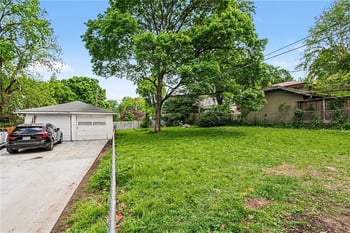
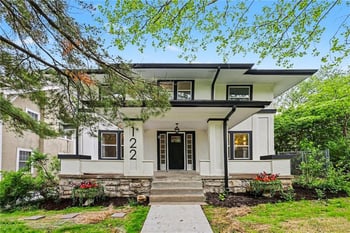
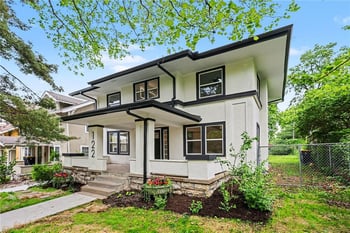
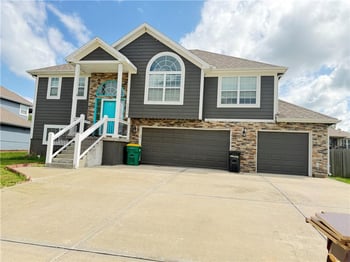
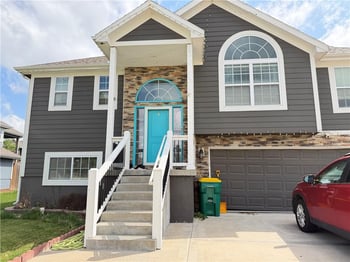
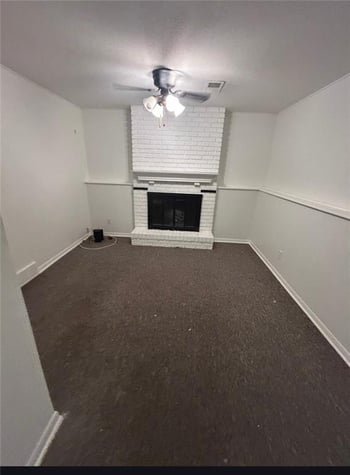
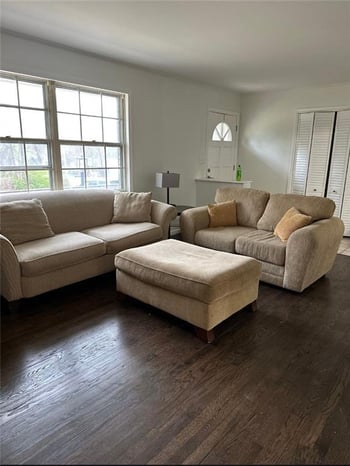
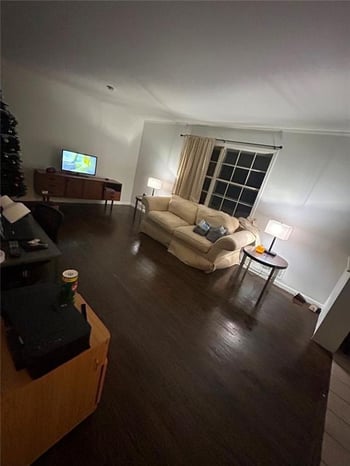
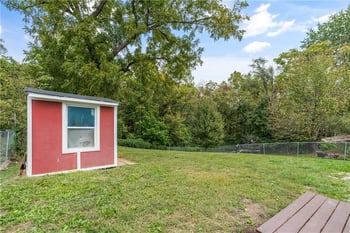
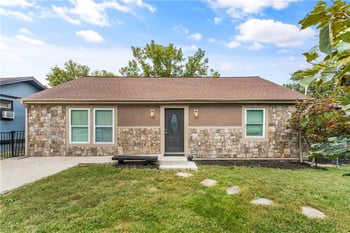
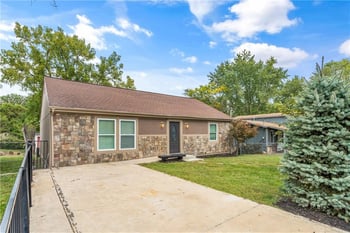
.png)


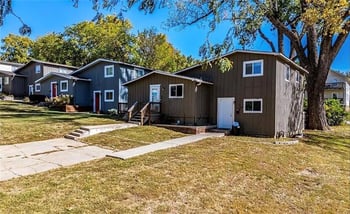
$1,350,000
Active
--
Beds
--
Baths
--
Sqft
0.2
Acres
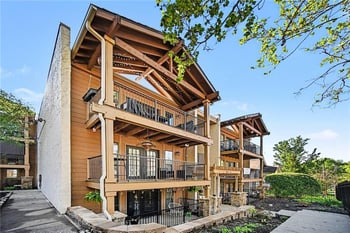
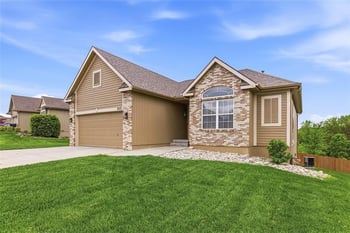
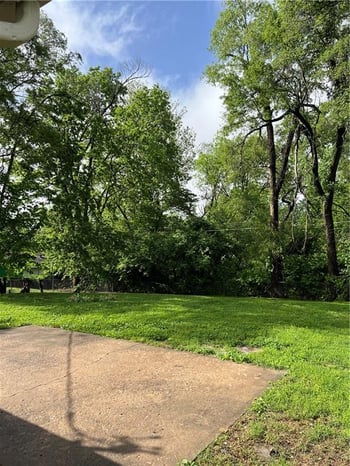
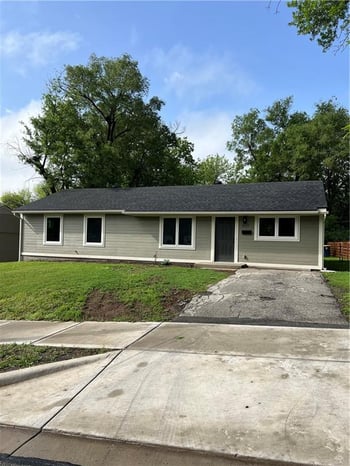
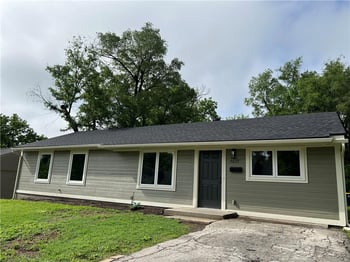
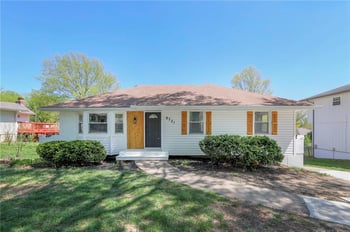
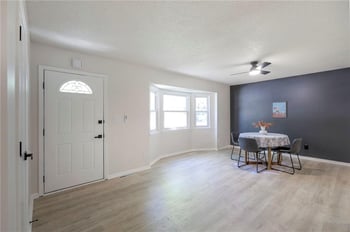
4025 Springfield Springfield St, Kansas City, KS 66103
MLS#: HMS2615784


.png)
Key Takeaways:
Verify the address first. In KCK, nearby homes can feed into different schools, so always confirm the district and assigned schools before you fall in love with the house.
Compare using real data, not opinions. Start with the Kansas Report Card, review district trends, then check the specific school building for consistent patterns.
Choose the area that fits your routine. School info matters, but your commute, errands, after-school schedule, and home layout decide whether you will love daily life there.
If you are searching for schools in Kansas City, Kansas, you are not just looking for a school name. You are trying to protect your time, your money, and your peace of mind.
Because here is what nobody tells you upfront. In Kansas City, Kansas, two homes that look like they are in the same area can be assigned to different schools. That one detail can change your daily routine, your options, and how confident you feel about your decision.
So let’s cut through the noise.
This guide gives you a simple, repeatable way to compare KCK areas without relying on rumors, outdated posts, or “my friend said.”
When most people say “schools in Kansas City, Kansas,” they usually mean one of these things:
Which school district serves an address
Which elementary, middle, and high school is a specific home assigned to
How to compare options using real data, not opinions
How to match school options to a daily routine (commute, activities, schedule)
Start with the address, confirm the district, then compare schools inside that boundary.
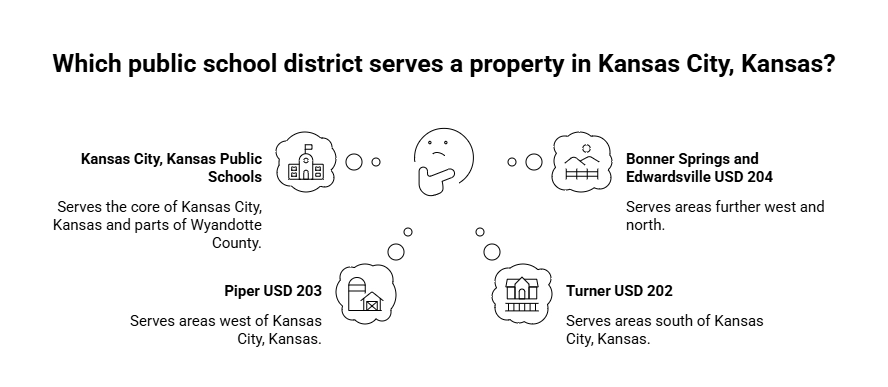
Kansas City, Kansas and nearby areas in Wyandotte County are commonly served by these public school districts:
Turner USD 202
Bonner Springs and Edwardsville USD 204
You will also see private and charter options discussed in conversations, but the most important first step for buyers is understanding the public school assignment tied to the property address.
District boundaries matter first. School choices come next.
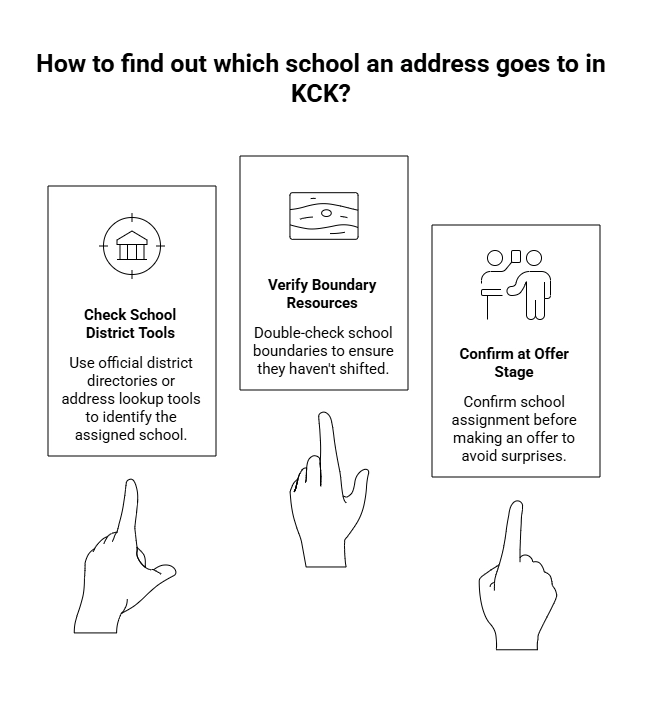
This is where buyers accidentally make decisions based on assumptions, not facts.
Use this simple order every time:
Most districts offer a school directory or address lookup.
Boundaries can shift over time. It is smart to double-check before you write an offer.
If schools are a priority, confirm it at the offer stage, not after inspections.
“Near a school” does not mean “assigned to that school.”
If you have ever felt stuck because one site says one thing and another site says something different, you are not imagining it.
Here is the better approach.
District-level information
School building information
Lifestyle fit information
This keeps you from overreacting to one data point and missing the bigger picture.
One score does not tell the whole story, but patterns do.
If you want a reliable starting point, use Kansas’s official reporting source.
You can look up districts and individual schools and review measures in one place.
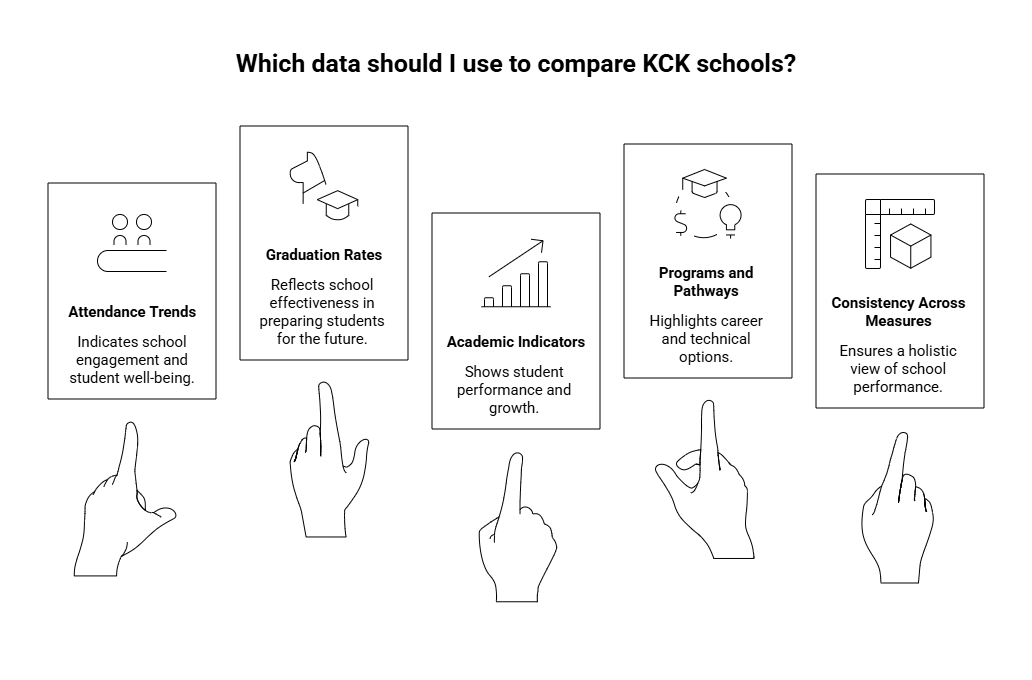
Here is what I recommend focusing on:
Attendance trends
Graduation and completion measures
Academic indicators and growth measures
Programs and pathways (career and technical options, specialized offerings)
Look for consistency across multiple measures, not a single headline number.
This is the part most people skip, and it is why they feel unsure even after hours of research.
Ask yourself:
How long is the commute during your real schedule?
How close are groceries, parks, libraries, and everyday errands?
What does after-school time look like with your workday?
Do you want a low-maintenance home, or are you okay with projects?
Do you need flexible spaces, such as a home office, guest room, or bonus space?
When comparing KCK areas, also look at:
Layout functionality for your needs
Major system ages (roof, HVAC, windows)
Yard size and maintenance expectations
Property taxes and insurance range
Resale practicality for the price point
The best choice is the one that fits your routine and your budget comfortably.
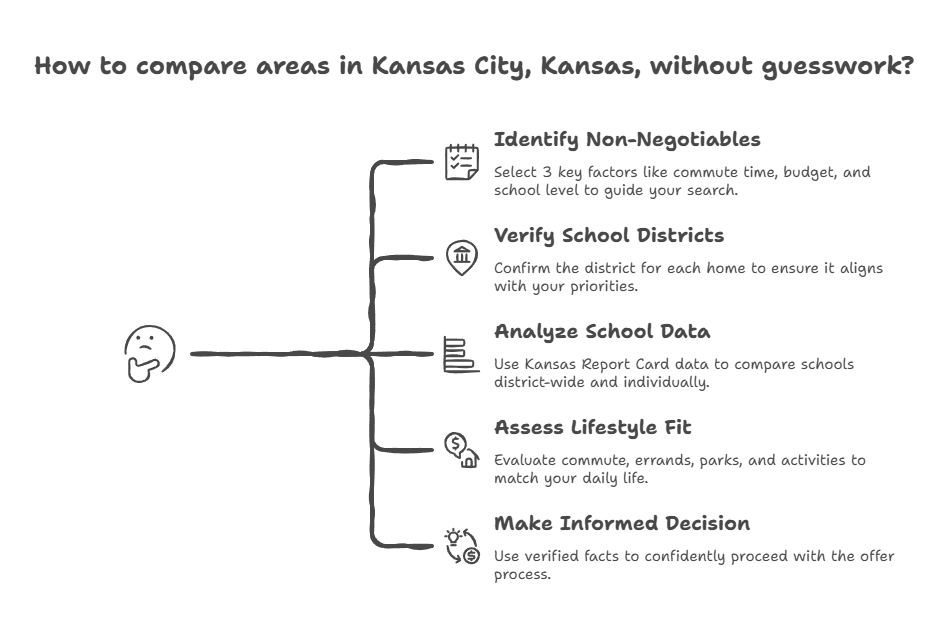
Use this simple framework. It works whether you are a first-time buyer, upsizing, downsizing, or investing.
1) Choose your non-negotiables (pick 3)
Examples:
commute time
budget comfort zone
school level priority (elementary, middle, high)
2) Confirm the district for each home you like
Do not assume based on neighborhood names or map pins.
3) Compare schools using Kansas Report Card data
Start district-wide, then review the individual school.
4) Compare lifestyle fit side by side
Commute, errands, parks, activities, and the way your week actually works.
5) Make your final decision with verified facts
This is how you stay confident through the offer process.
Confidence comes from clarity, not from scrolling longer.
Here are the big ones I help clients avoid:
Choosing an area based on one online rating
Assuming school assignment because a home is “close.”
Comparing districts without checking the specific school building
Ignoring commute and routine until after they move
Waiting too long to verify boundaries and enrollment details
The earlier you verify, the easier your decision feels.
Kansas City, Kansas, offers a mix of elementary schools within the Kansas City, Kansas, Public Schools (KCKPS or KCPS) district, charter schools, and a few private schools. Families can choose neighborhood elementary schools like Ridge Elementary School or alternative campuses such as Alfred Fairfax Academy. Elementary schools focus on foundational skills—reading, math, science, and art—along with kindergarten and early grade support and programs for diverse student needs.
Parents can evaluate public high schools in Kansas City, Kansas, by reviewing school ratings, graduation and college-going rates, course offerings, AP and dual-credit programs, and extracurricular activities. Schools such as Sumner Academy of Arts, Washington High School, J C Harmon High School, and Wyandotte High School each offer distinct strengths in college preparation, arts, and science programs. Visiting campuses, talking to teachers and guidance counselors, and checking district (kcps) data help determine fit for a student’s college goals.
Specialized programs include magnet and academy options such as Sumner Academy of Arts with strong art and academic tracks, and Alfred Fairfax Academy, which may provide tailored support or alternative learning structures. These programs often emphasize college preparation, advanced coursework, arts and science enrichment, and extracurricular opportunities to meet the needs of diverse learners across the Kansas City area.
Transition programs typically include orientation events, meetings with middle school teachers and counselors, and summer bridge activities designed to build confidence for incoming middle school students. Middle schools in the district partner with elementary schools to align curriculum—math and science progression, social-emotional supports, and extracurricular options—so parents can plan for grade-level expectations and continued academic improvement.
Kansas City, Kansas, schools provide a range of STEM and art opportunities across grades K-12. Many elementary schools introduce foundational science and math concepts, while middle and high schools expand offerings with advanced science courses, robotics, visual and performing arts, and dedicated programs at campuses like Sumner Academy of Arts. These options help students explore science and art pathways and build a portfolio for college or career readiness.
Parents can choose among kcps public schools, charter schools with specialized curricula, and private schools in the Kansas City area. Each option varies by class size, extracurricular offerings, campus culture, and tuition. For public education, district resources and school ratings help compare programs; charter schools may focus on particular educational philosophies; and private schools provide alternate religious or pedagogical approaches.
Families should review multiple indicators: academic performance data, growth metrics, teacher qualifications, extracurricular opportunities, campus safety, and parent and student reviews. Visiting campuses such as Washington High School, J C Harmon High School, Wyandotte High School, or Ridge Elementary School, speaking with teachers and students, and considering alignment with the students’ interests (math, science, art, athletics) will help determine the best fit.
KCPS and area schools offer special education services, IEP support, gifted and talented programs, and targeted improvement initiatives to meet the needs of students. Schools collaborate with families, teachers, and district specialists to develop individualized plans, provide accommodations, and connect students with academic interventions or enrichment to ensure progress across K-12 grades.
Extracurricular activities—sports, arts, debate, robotics and service clubs—help students build leadership, time management, and college application experiences. High schools like Sumner Academy of Arts and Washington High School offer robust extracurriculars tied to college preparation and portfolios. Participation complements classroom learning and strengthens a student’s readiness for college and career pathways.
Key Takeaways:If you think you need 20% down to buy a home in Kansas City, Kansas, stop right there.That one myth keeps many first-time buyers stuck renting, even when they are closer to homeownership than they realize.Here’s the real truth. You do not need to know everything to buy a home. You need a clear plan, the right lender, and an agent who keeps you calm when the process gets loud.Because
Key Takeaways:Weekend lifestyle is easy in KCK: Great local BBQ and casual food spots, plus parks and trails, all close enough to turn “Saturday plans” into a simple routine.Parks are a real perk, not a bonus: From river views at Kaw Point to wide-open space at Wyandotte County Lake Park, KCK makes it easy to get outside without a long drive.Highway access keeps life flexible: Quick connections t
Key Takeaways:Commute first, house second. In Kansas City, Kansas, the “best” area is the one that gets you to your main highway fast: I-70, I-35, or Downtown KC.Pick location by on-ramp, not miles. Your drive time is decided by interchanges, ramps, and backup routes, not the straight-line distance on a map.Match the area to your route.I-70 focus: prioritize west and north access corridorsI-35 fo