New - 2 Hours Ago


.png)
Key Takeaways:
KCK affordability is decided by the monthly stack, not the list price. Budget housing plus utilities, local fees, and taxes, or your numbers will feel “off” fast.
Utilities can include multiple line items. In KCK, your total often includes electric, water, and add-on service charges, so ask for seasonal averages before you commit.
Property taxes are predictable when you run the formula. Use appraised value × 11.5% (assessed value), then apply the mill levy for the exact address to estimate what you will pay.
If you are eyeing Kansas City, Kansas (KCK) because it looks more affordable than you expected, you are not imagining it.
Here is the catch: most people budget for the home payment and forget the monthly stack that shows up after move-in. Utilities. City fees. Taxes. All totally normal. All is easy to underestimate.
So let’s make this simple, practical, and real-world. This is the cost-of-living KCK breakdown you can actually use.
When someone searches cost of living in KCK, they are usually asking one question:
“Can I live here comfortably without feeling squeezed every month?”
In KCK, the cost of living usually comes down to three buckets:
Housing (rent or mortgage)
Utilities and local fees (electric, water, trash, stormwater, and related charges, depending on the setup)
Taxes (sales tax, state income tax, and property tax if you own)
The real cost of living is not just the home price. It is the full monthly package.
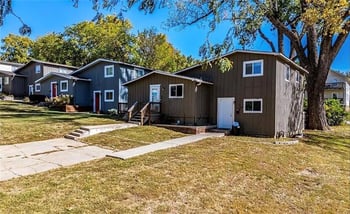
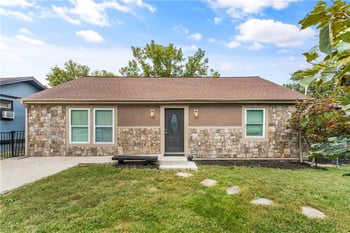
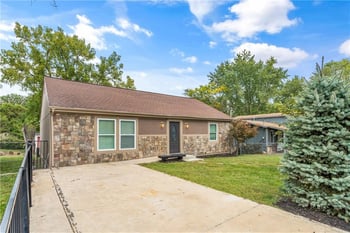
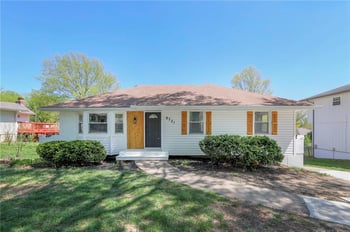
Housing is still the biggest line item for most households, and it is also where KCK often feels like a smart move.
Recent market snapshots commonly show:
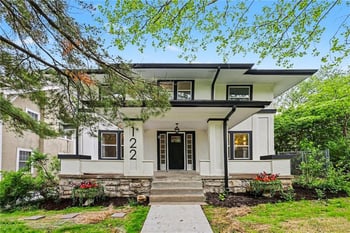
Typical home value in Kansas City, KS: around $191,000 (Zillow Home Value Index style estimate, varies by neighborhood and home condition).
Average rent in Kansas City, KS: around $1,250 per month (Zillow-style market rent estimate, varies by unit size, amenities, and location).
What that feels like, depending on your situation:
First-time buyers: KCK can make homeownership feel reachable sooner than expected, especially if you focus on monthly payment math instead of a “dream price.”
Upsizers: You may find more space for your money, but you will want to plan for utility usage if the home is larger.
Downsizers: the win is often lower maintenance and fewer surprise repairs, especially with updated homes or low-maintenance options.
Investors: the rent-to-price math can look attractive, but only if you account for taxes, utilities, and realistic maintenance reserves.
The best move is not chasing the lowest price. It is finding the best monthly total.
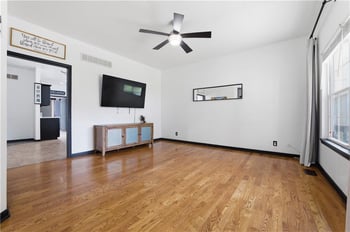
Utilities are where people get caught off guard, not because KCK is “expensive,” but because bills often include fixed charges plus usage, and sometimes multiple local fees.
Many KCK residents interact with the Board of Public Utilities (BPU) for electricity and water, and in some cases, you may see additional line items connected to local services.
BPU residential electric pricing includes a monthly customer charge plus per-kWh usage rates that can shift seasonally.
A quick, simple way to think about it:
You will likely have a fixed base charge each billing cycle.
Your usage (kWh) will rise in hot and cold months depending on HVAC, insulation, and home size.
Older homes or homes with less efficient systems often “feel” more expensive month to month.
The home’s efficiency can matter just as much as the home’s price.
Water is typically billed by usage units, plus a customer charge based on meter size.
Trash and stormwater-related items can appear as separate monthly charges depending on how services are set up for the address.
Your utility total is not always just electric and water. It can be a stack.
Property taxes are one of the most misunderstood aspects of the cost of living in KCK, mostly because people hear a rumor rather than learn the formula.
Here is the reality: Kansas property tax is predictable when you run the math.
In Kansas, residential property is commonly assessed at 11.5% of appraised value.
Then that assessed value is multiplied by the combined mill levy for the home’s taxing districts.
Appraised value: $200,000
Assessed value: $200,000 × 0.115 = $23,000
Taxes: $23,000 × (your combined mill levy)
Mill levies vary by location and taxing districts, so two homes with the same price can have different tax totals.
Property taxes are not vibes. They are math tied to the exact address.
These do not show up the same way.
KCK sales tax is often cited at around 9% plus, depending on the exact location (state, county, and city rates combined). That means you notice it in everyday spending.
Kansas has a graduated income tax system. Rates and brackets can shift over time, so your withholding depends on your income and filing situation.
Housing may feel affordable, but sales tax is the one you feel in daily life.
Let’s make this tangible with two quick “real-life” frameworks. These are not quotes, and every situation is different, but this is how to think about it.
Your monthly stack often includes:
Rent payment
Electric
Water (sometimes included, sometimes not)
Trash or local fees (sometimes included, sometimes separate)
Internet
Best move: Ask the landlord or property manager for typical utility ranges by season.
Your monthly stack often includes:
Mortgage payment (principal and interest)
Property taxes (often escrowed monthly)
Homeowners insurance (often escrowed monthly)
Electric and water
Local service fees are applicable
Maintenance reserve (even newer homes need something set aside)
Budget based on the full stack, not just the mortgage payment.
This is the part most people skip, and it is where you can win.
Pick your comfortable monthly total first.
Not the home price. The monthly total.
Estimate taxes using the actual address.
This removes guesswork fast.
Ask for utility expectations early.
Home size, HVAC age, insulation, and windows can change the monthly bill.
Prioritize what you want your week to feel like.
Commute patterns, errands, and lifestyle convenience matter.
The right home is the one that fits your life and your monthly reality.
If you want KCK to feel affordable, stop pricing the house and start pricing the life.
Once you do that, your confidence goes up, and the stress goes down, because you are no longer guessing.
The total cost of living in Kansas City, Kansas (KC) is generally lower than the U.S. national average. Housing and grocery expenses are notably cheaper, while healthcare and transportation costs tend to be close to or slightly below the national average. Many cost of living calculators will show KC as less expensive overall, with the median cost for everyday items and services reflecting a more affordable standard of living than many larger metro areas.
Kansas City, Kansas typically has lower median home prices than some neighboring Missouri suburbs and many U.S. metros. The median home cost in KC and surrounding Wyandotte County tends to be cheaper than comparable zip codes across the metro, making it attractive for buyers who want lower home costs while still accessing the Kansas City metro job market.
The salary needed depends on family size and lifestyle, but many estimates show that a single adult can maintain a comfortable lifestyle on a salary below the national median if housing is modest. For families, combined income should account for housing, healthcare, transportation (vehicle or public transportation), and other expenses; using a cost-of-living calculator and local salary and median cost data helps compare needed income in Kansas City to other areas.
Transportation costs vary: gas prices in KC track near national averages, and traffic congestion is generally lower than in larger U.S. metros, so commute times can be shorter. However, KC is a car-centric metro; owning a vehicle is common and increases total transportation expenses. Public transportation exists (buses and some transit service), but coverage is limited compared with dense cities, so many residents still rely on cars, which affects the total cost of moving to Kansas City.
Grocery costs in KC are often at or slightly below the national average, making food shopping more affordable than in pricier metros. Healthcare costs vary by provider and insurance but tend to be close to the national average; some procedures or premiums can be higher or lower depending on the facility. When comparing where to relocate, factor in healthcare access and median healthcare expenses into your decision.
When planning to buy a home in KC, consider median home prices, property taxes, insurance, and local infrastructure that affects value. If selling another property, compare selling timelines and proceeds against expected home costs in Kansas City. House prices can be lower in KC, but neighborhood quality, commute, and school access influence both price and long-term resale value.
Kansas City often ranks as less expensive than many coastal metros and is competitive with other Midwestern cities. Rankings typically highlight KC's cheaper housing and lower overall expense ratio. However, rankings can vary depending on whether they weigh salaries, home costs, or healthcare more heavily; use a cost-of-living tool to compare specific factors like income in Kansas City and local median cost metrics.
Pros include cheaper home costs, lower grocery expenses, and a strong metro cultural scene while maintaining lower traffic and more affordable infrastructure than bigger cities. Cons can include fewer public transportation options, reliance on a vehicle, and localized variability in healthcare or school quality. For many, the balance of lower cost of living in KC and a decent quality of life makes it an appealing place to relocate and buy a home.